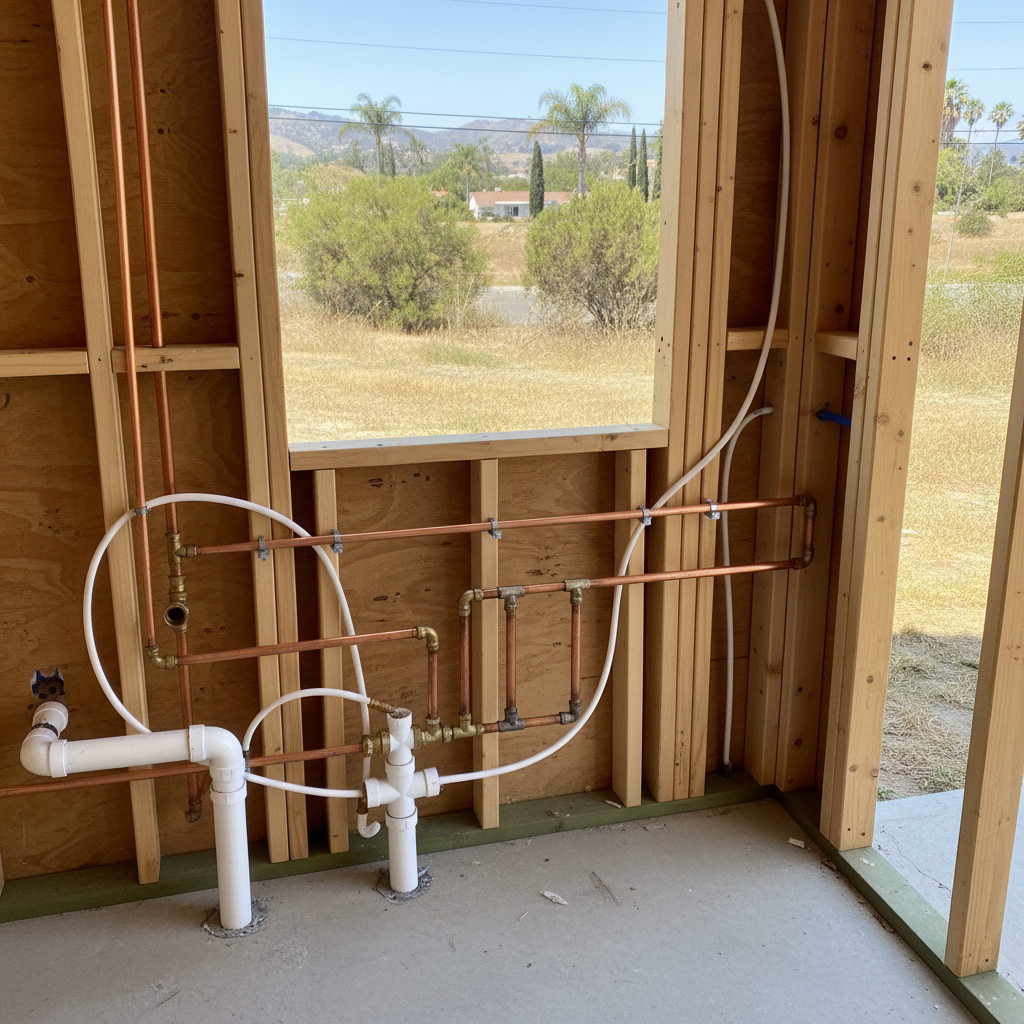
Alright, so you've just had a kitchen remodel, or maybe a bathroom, and all the new pipes are in the walls – that's your plumbing rough-in. A lot of folks think once the drywall's up, that's the end of it. But I'm here to tell you, a little attention now can save you from a major flood later. You've invested good money in your home, especially if you're in a place like the Sunny Hills area where homes are built to last; let's make sure that plumbing lasts just as long.
Extending the Life of Your Plumbing Rough-In
The biggest thing you can do to extend the life of your plumbing, especially the stuff you can't see, is to be mindful of what goes down your drains. It's simple, really. Don't treat your sink or toilet like a trash can. Grease, coffee grounds, hair, 'flushable' wipes (they're not, trust me) – all this stuff builds up. Over time, it coats the inside of your pipes, narrowing the passage and making them work harder. That's how you get clogs, and clogs put pressure on your system, leading to leaks.
Another big one for us here in Southern California is water quality. We've got pretty hard water, which means mineral deposits. These minerals, like calcium and magnesium, can build up inside your pipes, restricting flow and, again, causing pressure issues. Installing a good water softener can make a huge difference. It's an upfront cost, sure, but it pays for itself by protecting your plumbing, your water heater, and even your appliances from that hard water damage.
Also, watch your water pressure. Too high, and it stresses all your connections and fixtures. I've seen plenty of homes in Fullerton with pressure regulators that are either failing or set too high. A pressure reducing valve (PRV) should keep your home's water pressure between 40-80 psi. If it's consistently higher, you're just asking for trouble.
Regular Maintenance: What You Can Do
You can't exactly go tearing open your walls to check the rough-in every week, right? But there are things you can do from the outside to keep tabs on things.
- Drain Care: Once a month, pour a mixture of baking soda and vinegar down your drains, let it sit for 30 minutes, then flush with hot water. This helps break down minor grease and grime. Stay away from harsh chemical drain cleaners; they can actually damage your pipes over time.
- Check for Leaks: Periodically check under sinks, around toilets, and near any exposed pipes for drips or dampness. Even a small, slow leak can lead to big problems like mold and structural damage if left unchecked.
- Water Heater Flush: Your water heater is part of the system. Flush it annually to remove sediment buildup. This improves efficiency and extends its life.
- Outdoor Spigots: Make sure your outdoor spigots aren't dripping. A small drip can waste a lot of water and indicate pressure issues.
Warning Signs of Plumbing Problems
Your plumbing system usually gives you hints before it completely fails. You just need to know what to look for.
- Sudden Drop in Water Pressure: If one faucet suddenly has weak flow, it might be a localized clog. If it's happening throughout the house, it could be a bigger issue like a main line clog or a failing PRV.
- Slow Drains: This is the most obvious sign. If your sink or tub is taking forever to drain, you've got a clog forming. Don't ignore it.
- Unexplained Water Bills: A sudden spike in your water bill without a change in usage almost always points to a hidden leak.
- Water Stains or Peeling Paint: On walls or ceilings, these are definite red flags. They mean water is getting where it shouldn't be, likely from a pipe leak behind the surface.
- Musty Odors: If you smell dampness or mold, especially near bathrooms or kitchens, it's a strong indicator of a hidden leak.
- Gurgling Sounds: If your toilet gurgles when you run the sink, or drains make strange noises, it can mean a vent pipe issue or a significant clog.
When to Call a Professional
Look, I'm all for DIY, but some things are best left to the pros. If you see any of those warning signs, or if you're just not sure, don't hesitate to call. Trying to fix a complex plumbing issue yourself can often make it worse and cost you more in the long run.
You should definitely call a professional if:
- Your home remedies can't clear a persistent clog.
- You notice significant water stains or actual water dripping from walls or ceilings.
- Your water pressure is consistently too high or too low throughout the house.
- You hear running water when no fixtures are in use.
- You're planning a major renovation and need to move or add plumbing lines. That's where Absolute Kitchen Remodelers comes in – we make sure the rough-in is done right the first time, so you have fewer headaches later.
Don't wait until you've got water spewing everywhere. Catching these issues early can save you a ton of stress and money. A little proactive care goes a long way in keeping your Fullerton home's plumbing in top shape.