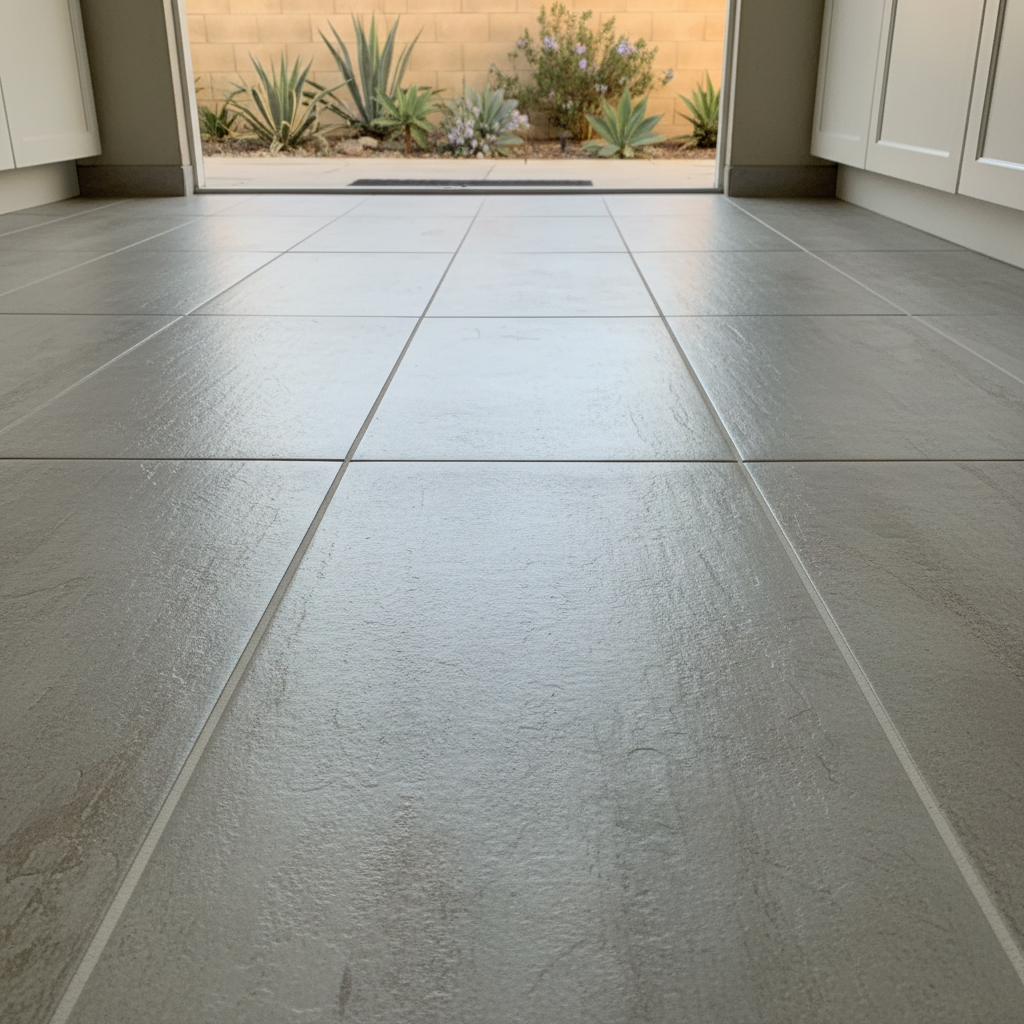
So, you're thinking about new kitchen flooring. Good for you! It's one of those upgrades that really changes a room's whole feel, and let's be honest, kitchen floors take a beating. You'll want something tough, good-looking, and that just makes sense for your home. Let's break down what you need to consider.
Before You Even Pick a Tile or Plank
First things first, what's your subfloor like? This is a big one. In a lot of older Fullerton homes, especially those built in the 50s and 60s around the Wilshire or Sunny Hills areas, you might have original hardwood, plywood, or even a concrete slab. For any new flooring, you need a solid, level, and clean surface. If it's uneven, cracked, or has old adhesive that won't budge easily, you're going to run into problems. Seriously, don't skip this step. A bad subfloor means a bad floor, no matter how expensive your new material is.
Think about your lifestyle too. Got kids? Pets? Do you cook a lot? Spills happen, we all know that. High traffic areas really need something tough. Porcelain tile is a champion for durability and water resistance, but it's hard on your feet and dropped dishes. Luxury Vinyl Plank (LVP) is incredibly popular now for a reason—it's waterproof, resilient, and looks fantastic. Hardwood is classic, adds warmth, but it needs more care and isn't ideal if you're constantly splashing water around. Laminate is an option, but I'd steer clear of it in a kitchen unless it's a high-quality, water-resistant variety. It just doesn't hold up to moisture like LVP or tile.
And budget, obviously. This isn't just the material cost. Factor in removing the old floor, subfloor prep, installation, and any trim work. Oh, and don't forget about height differences. If your new floor is a lot thicker than the old one, you might need to trim doors or adjust appliances.
During the Installation: DIY or Call a Pro?
Okay, so you've picked your material. Now, who's going to put it in? Some flooring types are definitely more DIY-friendly than others. If you're handy, have the right tools, and plenty of patience, you can tackle LVP or even some click-together laminate. These often float over the subfloor, making them a bit more forgiving.
However, if you're going with tile, especially larger format tiles or anything with an intricate pattern, I'm going to tell you straight: call a pro. Tile setting requires precision, proper mortar mixing, leveling techniques, and good grouting. It's not just about sticking tiles down. If you mess up, you've wasted expensive material and a lot of time. Plus, a poorly installed tile floor will crack, lift, or look uneven, and trust me, you'll regret it every single day.
Even with LVP, if your subfloor isn't perfectly prepped, or if you're dealing with a lot of cuts around tricky corners or cabinets, a professional installer will get it done faster and with a much cleaner finish. We've seen plenty of DIY jobs come through Absolute Kitchen Remodelers where folks got in over their heads. Sometimes fixing those mistakes costs more than just hiring us in the first place, you know?
After the Floor is Down: Keeping It Pristine
Once your beautiful new floor is installed, the work isn't quite over. Maintenance is key to longevity. Here's a quick rundown:
- For Tile: Sweep or vacuum regularly to get rid of grit that can scratch the surface. Mop with a pH-neutral cleaner. Grout needs sealing periodically, especially in high-traffic areas. Don't let spills sit, particularly acidic ones.
- For LVP: Super easy. Sweep, vacuum, and damp mop with a mild cleaner. Avoid abrasive scrubbers or harsh chemicals. It's pretty resistant to most things, which is why it's so popular.
- For Hardwood: Sweep or vacuum frequently. Use wood-specific cleaners and a damp (not wet) mop. Immediately wipe up spills. Consider area rugs in high-traffic zones, especially near the sink or stove. Re-sanding and refinishing might be needed every 7-10 years, depending on wear and tear.
No matter what you choose, put felt pads on the bottom of all your kitchen chairs and table legs. This is a small thing that makes a huge difference in preventing scratches and scuffs on any type of flooring. And if you're dragging heavy appliances, always use a proper appliance dolly or lay down plywood to protect your floor. Don't just slide them across. A little care goes a long way in keeping your kitchen looking sharp.